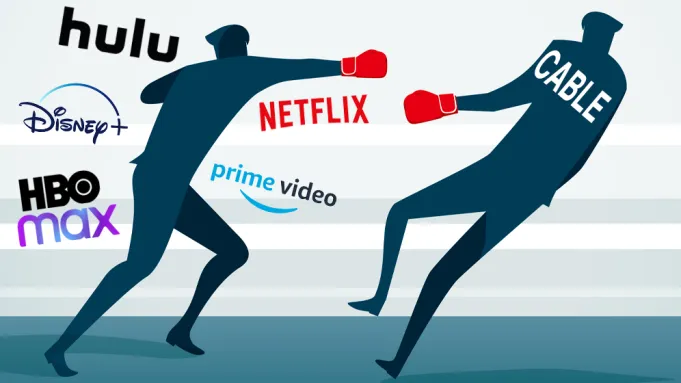
For decades, traditional cable television dominated living rooms around the world. Families gathered around bulky TVs, flipping through hundreds of channels hoping to find something worth watching. Cable companies promised entertainment, convenience, and reliability.
But times have changed.
Today, millions of households are cutting the cord and switching to streaming services that offer more control, more content, and far more flexibility. Instead of being locked into expensive cable bundles, viewers are choosing internet-based TV services that allow them to watch what they want, when they want, and on almost any device.
In fact, the cord-cutting trend has accelerated rapidly over the past few years. As internet speeds improve and streaming technology evolves, traditional cable TV is slowly losing its grip on the entertainment world.
Let’s explore why millions of viewers are ditching cable TV and why streaming platforms — including services like CatchON TV — are becoming the new standard for home entertainment.
What Is Cord-Cutting?
Cord-cutting refers to the growing trend of consumers cancelling their traditional cable TV subscriptions and replacing them with streaming TV services delivered through the internet.
Instead of paying large monthly cable bills for hundreds of channels they rarely watch, viewers now prefer streaming platforms that offer:
-
On-demand movies and series
-
Live TV streaming
-
Sports coverage
-
Flexible subscription options
-
Multi-device viewing
In simple terms, cord-cutting means replacing cable with streaming.
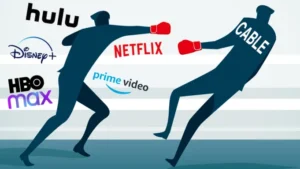
This shift has been fueled by the rise of major OTT streaming platforms such as:
-
Netflix
-
Hulu
-
Amazon Prime Video
-
Disney+
-
YouTube TV
-
Sling TV
And newer IPTV streaming services that provide live channels and entertainment in one place.
The appeal is obvious: why pay for expensive cable bundles when streaming services offer more control and often better value.
Why Cable TV Is Declining
The decline of traditional cable television didn’t happen overnight. It’s the result of several key frustrations that viewers have experienced for years.
1. Expensive Monthly Cable Bills
One of the biggest reasons people cancel cable TV is the cost.
Cable packages often include dozens — sometimes hundreds — of channels that viewers never watch. Yet customers are forced to pay for the entire bundle.
Monthly cable bills can easily exceed $100 to $150 per month, and that’s before adding premium channels or sports packages.
Streaming platforms, on the other hand, usually offer lower monthly costs and more flexible plans.
For many households, switching from cable to streaming can save hundreds of dollars per year.
2. Limited Flexibility
Traditional cable TV was built around a simple idea: programs air at a specific time, and viewers must watch them at that time.
Miss the show? Too bad.
Streaming services completely changed that model.
With video-on-demand (VOD) and digital libraries, viewers can watch content anytime they want.
Want to binge an entire series in one night? Go ahead.
Want to pause a movie and finish it tomorrow? No problem.
Streaming platforms give viewers complete control over their entertainment schedule.
3. Streaming Works on Multiple Devices
Cable television was originally designed for the living room television.
But modern viewers expect entertainment to follow them everywhere.
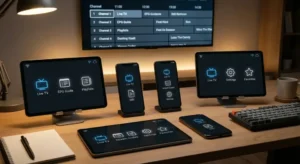
Streaming services now work across multiple devices, including:
-
Amazon Fire TV Stick
-
Roku
-
Android TV
-
Apple TV
-
Smart TVs
-
Smartphones
-
Tablets
-
Laptops
This multi-device streaming capability allows users to watch their favorite content at home, while traveling, or even during a lunch break.
Cable TV simply can’t compete with that level of convenience.
4. The Rise of High-Speed Internet
The explosion of high-speed internet access has played a huge role in the growth of streaming.
With faster broadband and fiber connections, viewers can now stream:
-
High-definition content
-
4K movies
-
Live sports events
-
Large VOD libraries
All without the buffering issues that plagued early streaming platforms.
As internet infrastructure improves, internet streaming becomes an even stronger alternative to cable TV.
Cable vs Streaming: Key Differences
To understand why cord-cutting continues to grow, it helps to compare cable TV vs streaming services.
Cable Television
Traditional cable TV offers:
-
Fixed channel bundles
-
Scheduled programming
-
Higher monthly costs
-
Limited device compatibility
While cable still provides reliable broadcasting, it lacks the flexibility that modern viewers expect.
Streaming Platforms
Streaming services provide a completely different entertainment experience.
Advantages include:
-
On-demand movies and TV shows
-
Live TV streaming
-
Lower subscription costs
-
Multi-device streaming
-
Flexible viewing schedules
-
No complicated installation
In other words, streaming platforms are designed for the digital age, while cable TV belongs to an older broadcasting model.
Popular Streaming Platforms Replacing Cable
Several streaming services have emerged as popular alternatives to cable TV.
Netflix
Netflix helped pioneer modern streaming. Its large library of movies and original shows made it one of the first major platforms to attract cord-cutters.
Hulu
Hulu combines on-demand content with live TV streaming, making it attractive to viewers who want a mix of traditional TV and streaming.
Amazon Prime Video
Amazon’s streaming platform offers movies, TV shows, and exclusive content included with a Prime membership.
Disney+
Disney+ quickly became a major player thanks to its huge collection of:
-
Disney classics
-
Marvel films
-
Star Wars content
-
Family programming
YouTube TV and Sling TV
These services attempt to recreate the traditional cable experience by offering live TV streaming packages with major channels.
However, many viewers are now discovering that IPTV streaming services provide even more flexibility and content options.
Why IPTV Is Becoming a Major Cable Alternative
IPTV (Internet Protocol Television) delivers live television channels through internet streaming instead of satellite or cable networks.
This technology allows viewers to access:
-
Live TV channels
-
International content
-
Sports events
-
Movies and TV series
-
On-demand entertainment
All through internet streaming.
One of the key advantages of IPTV services is the ability to combine live TV and on-demand content in one platform.
For viewers who want a complete cable replacement, IPTV can offer a powerful solution.
CatchON TV: A Modern Cable Alternative
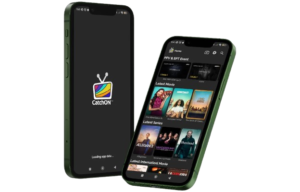
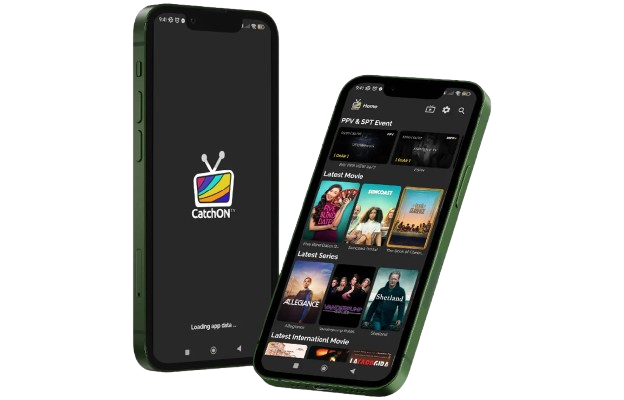
Among the growing number of IPTV streaming platforms, CatchON TV has emerged as a strong cable alternative for viewers seeking flexibility and entertainment variety.
Instead of relying on outdated cable infrastructure, CatchON TV uses internet streaming technology to deliver television channels and digital entertainment.
The platform allows users to enjoy a wide selection of content, including:
-
Live television channels
-
Sports broadcasts
-
Movies and TV series
-
Video-on-demand libraries
-
Multi-device streaming support
Because the service operates through internet streaming, it works with popular devices such as:
-
Amazon Fire TV Stick
-
Android TV
-
Smart TVs
-
IPTV players
-
Mobile devices
This flexibility allows users to watch content from almost anywhere.
Many cord-cutters appreciate platforms like CatchON TV because they simplify the streaming experience by bringing multiple types of entertainment into a single streaming platform.
Instead of juggling several subscriptions, viewers can access their content through one interface.
And let’s be honest — fewer subscriptions also means fewer passwords to forget. Your memory will thank you.
Devices That Make Streaming Easy
One of the biggest reasons cord-cutting has exploded is the availability of affordable streaming devices.
These devices allow almost any television to become a smart streaming hub.
Amazon Fire TV Stick
The Amazon Fire TV Stick is one of the most popular streaming devices in the world. It plugs directly into a TV’s HDMI port and provides access to streaming apps and IPTV platforms.
Roku
Roku offers a wide range of streaming devices that support hundreds of streaming apps and services.
Android TV Devices
Android TV devices provide access to the Google Play ecosystem and support many streaming applications.
Apple TV
Apple TV offers a premium streaming experience with powerful hardware and seamless integration with Apple devices.
Smart TVs
Modern Smart TVs now include built-in streaming apps, allowing viewers to watch streaming content without additional hardware.
With these devices becoming more affordable every year, switching from cable to streaming has never been easier.
The Future of Television
The entertainment industry is undergoing a massive transformation.
Traditional cable television once dominated the market, but streaming platforms are rapidly becoming the primary way people consume entertainment.
Several factors suggest that the cord-cutting trend will continue to grow:
-
Improved internet infrastructure
-
Increasing streaming content libraries
-
Better streaming technology
-
Greater device compatibility
-
Lower costs compared to cable
As streaming services evolve, viewers can expect even more features, content, and flexibility.
Cable TV may not disappear overnight, but it is clearly losing ground in a world where viewers demand convenience, customization, and control.
Conclusion
The shift from cable to streaming represents one of the biggest changes in modern entertainment.
Millions of households are now cutting the cord because streaming services provide:
-
Greater flexibility
-
Lower costs
-
On-demand entertainment
-
Multi-device viewing
-
Access to global content
Platforms such as Netflix, Hulu, and Amazon Prime Video helped launch the streaming revolution, but newer IPTV services like CatchON TV continue to expand the possibilities of internet-based television.
For viewers tired of expensive cable packages and rigid programming schedules, streaming platforms offer a refreshing alternative.
After all, entertainment should fit into your life — not force you to schedule your evening around a TV guide from 2003.
And if cord-cutting continues at its current pace, cable companies might soon need to start streaming their own nostalgia documentaries titled:
“Remember When We Controlled Your Remote?” 😄